


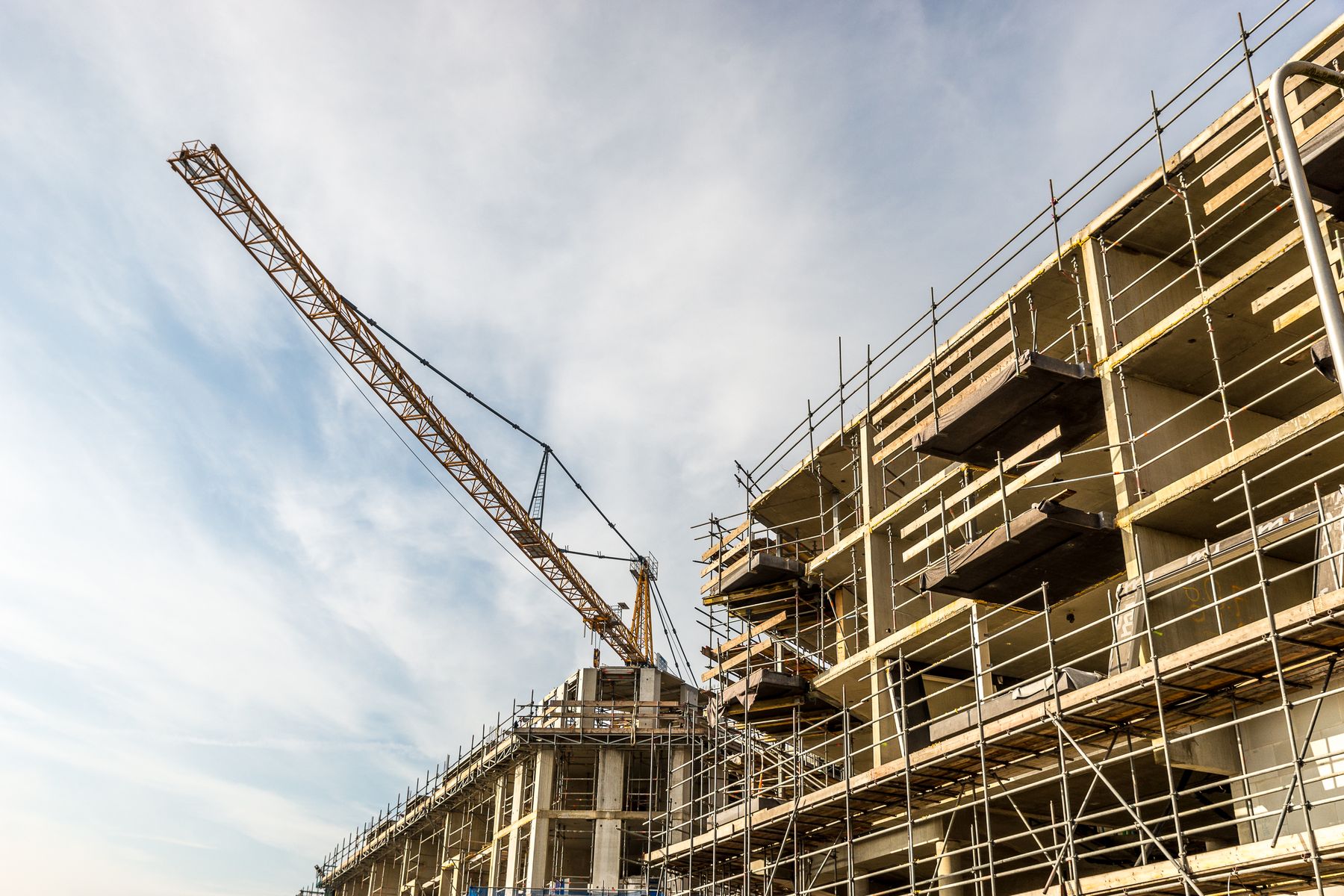
One price. One builder to answer.
When the design is complete and you want a firm number, we bid it, build it with our own crews alongside trusted trade partners, and close it out clean.
Why it matters.
A low bid is not a low cost
A number that misses scope turns into change orders. The bid has to cover the whole drawing set, not just the easy parts.
Gaps hide between trades
Scope that falls between subcontracts becomes a dispute in the field. Someone has to own every line of the drawings.
The end drags if nobody drives it
Punch lists, warranties and turnover documents can stretch for months after the building looks finished.
How we work.

- 01
Hard bid estimating
Full quantity takeoffs, scope sheets for every trade and a bid-day leveling process that compares subcontract numbers line by line.
- 02
Firm lump-sum contracts
One price for the defined scope, with a clear schedule of values and a change process both sides understand.
- 03
Self-performed work
Our own crews carry concrete, steel erection and other critical-path scopes, so we control the pace of the work that matters most.
- 04
Field management
Superintendents run daily coordination, three-week lookaheads and quality checks, and answer RFIs before they stall a crew.
- 05
Closeout
Rolling punch lists, commissioning, O&M manuals, warranties and as-builts assembled as we go, not after the last trade leaves.
What you receive.
Every engagement is scoped to the project. These are the core outputs owners can expect.
A complete proposal with clarifications, alternates and unit prices where requested.
Line items that match the work, so pay applications are easy to review.
A resource-loaded schedule that shows how and when the work gets done.
Schedule status, RFI and submittal logs, change tracking and safety performance on the job.
Warranties, O&M manuals, as-builts, attic stock and training, delivered with the keys.

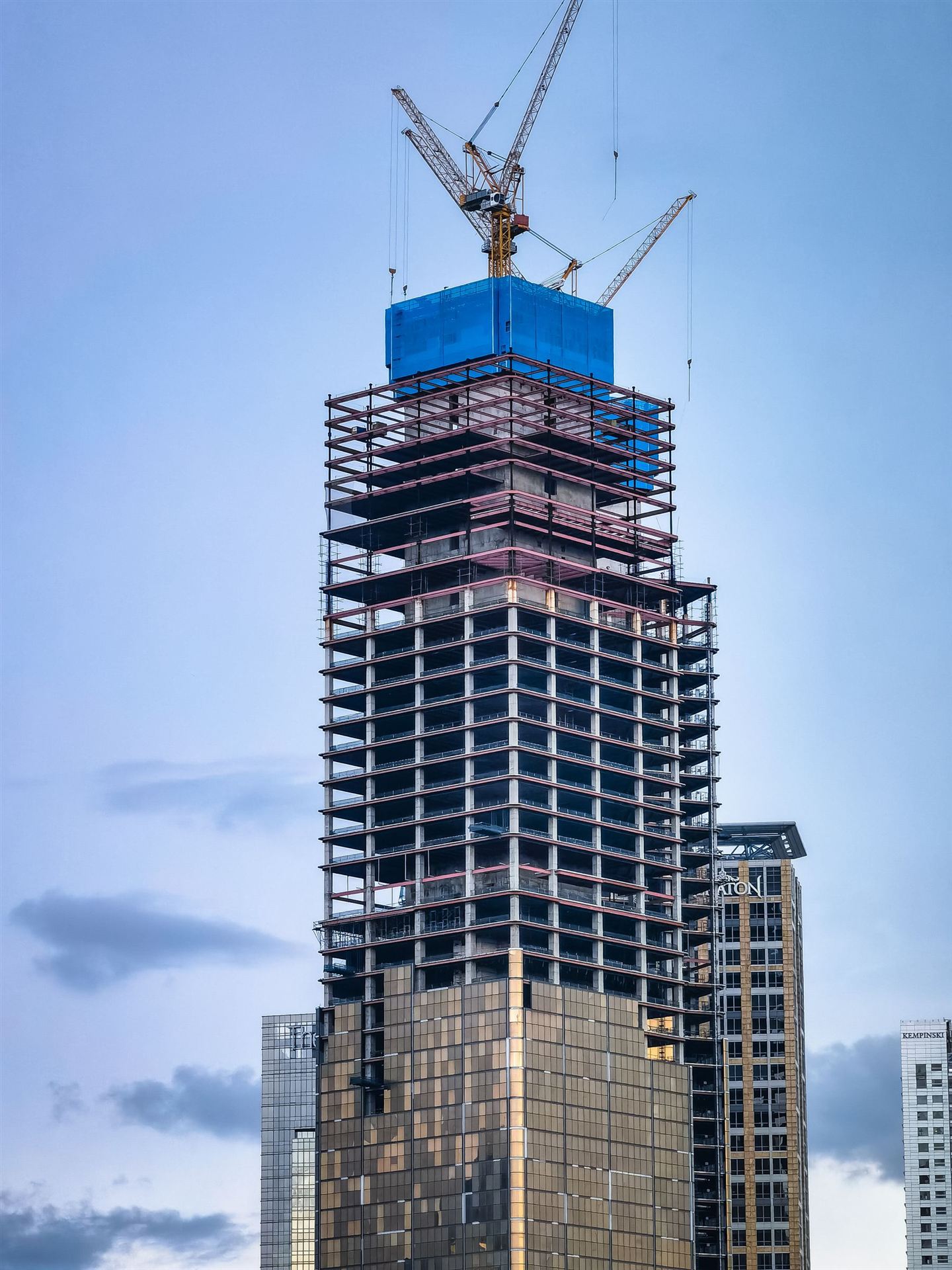
Twenty-four stories under one firm price.
The office tower was bid as a general contract on complete documents. We self-performed the concrete core, held the curtain wall installer to a floor-by-floor sequence and ran a rolling punch list from the bottom up, so the tower and its plaza turned over as one complete package.
- 24
- Stories
- 1
- Lump-sum contract
- 2024
- Tower delivered

Questions owners ask us.
When is general contracting the right delivery model?
When the design is complete, the scope is well defined and the owner wants a firm price. If the design is still moving, construction management or design-build may fit better.
Do you bid public work?
Yes. We bid public projects under the procurement rules of each agency, including bonding, prevailing wage and local participation requirements set in the bid documents.
What do you self-perform?
Typically concrete, steel erection, earthwork and general conditions work. We decide on each project which scopes our crews should carry to protect the schedule.
How do you handle changes on a lump-sum job?
Through a written change process. We price each change with backup, show its schedule effect and get approval before the work proceeds.

Talk to the people who will build it.
Share the project, the site and the date that matters. A senior builder will come back to you within one business day.