Ready before the storm.
Crews, equipment and agreements in place before anything goes wrong, so we can stabilize your site, restore operations and rebuild stronger when it does.
Why it matters.
The first days decide the cost
Water, exposure and unsecured structures do more damage every hour. Fast stabilization limits what has to be rebuilt.
Everyone needs help at once
After a regional event, crews, equipment and materials are in short supply. Owners without agreements in place wait in line.
Communities cannot wait
Hospitals, schools, water systems and roads have to come back first. Temporary facilities and phased recovery keep essential services running.
How we work.
- 01
Pre-positioned agreements
We set scope, rates and call-out procedures with owners ahead of time, so mobilization starts with a phone call instead of a procurement process.
- 02
Emergency stabilization
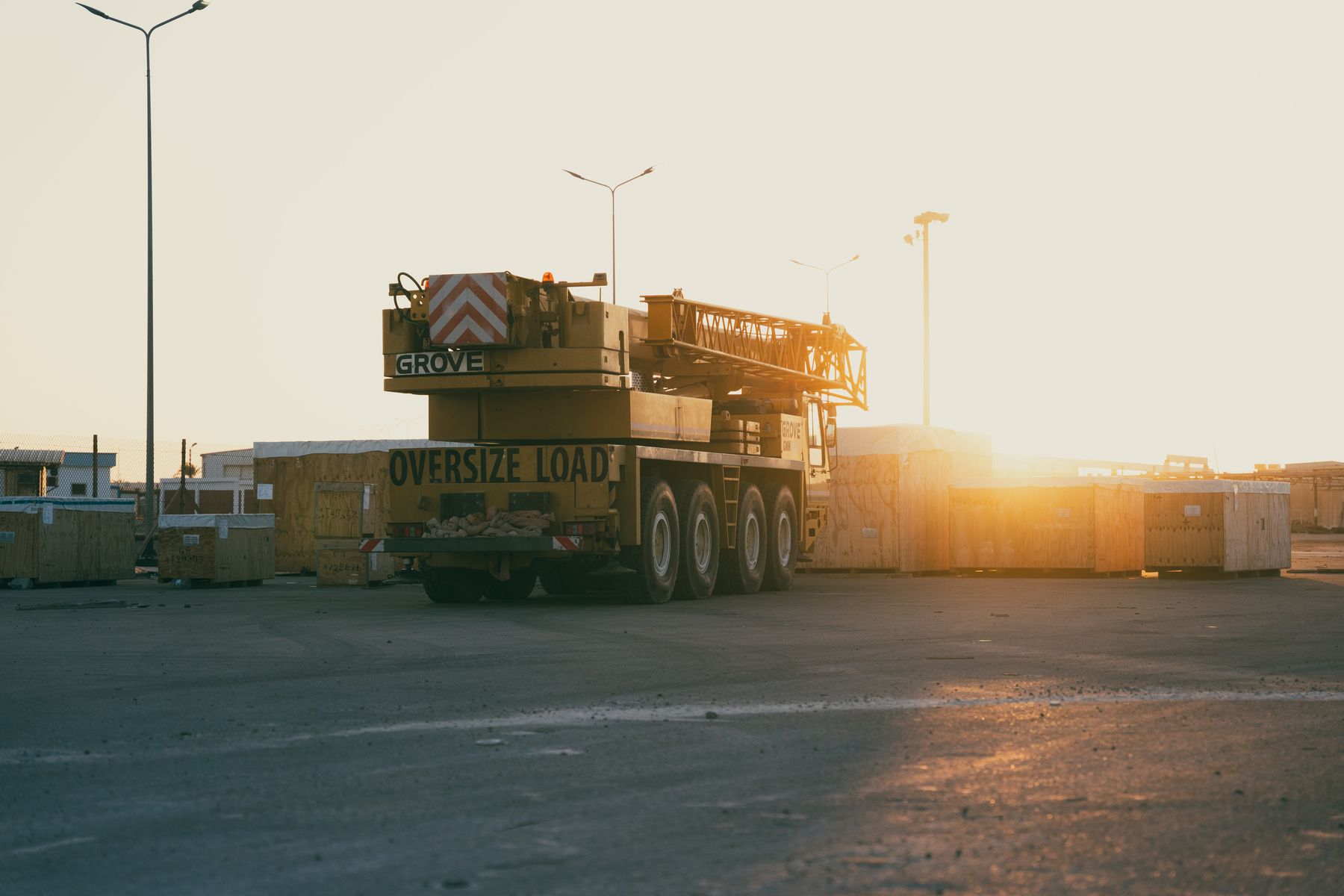
Our crews secure damaged structures, dry in roofs and openings, shore unsafe elements and restore temporary power and water to critical areas.
- 03
Debris removal and site clearing
Self-performed equipment fleets clear access routes, separate and haul debris and document quantities for insurance and public funding requirements.
- 04
Temporary facilities
Modular clinics, classrooms, offices and housing, with temporary utilities, set up so essential services can keep operating during the rebuild.
- 05
Rapid rebuild
Design-build teams assess damage, scope permanent repairs and rebuild to current codes, with resilience upgrades priced as options.
What you receive.
Every engagement is scoped to the project. These are the core outputs owners can expect.
Agreed scope, rates, contacts and mobilization steps, reviewed with you each year.
Priorities, access routes, staging areas and critical systems for each facility you want covered.
Photo, drone and field records of damage, with a prioritized scope for stabilization and repair.
Daily logs of labor, equipment and debris quantities organized to support insurance and public assistance claims.
A phased plan that brings essential spaces back first and closes out permanent repairs.
A storm plan written before the first footing.
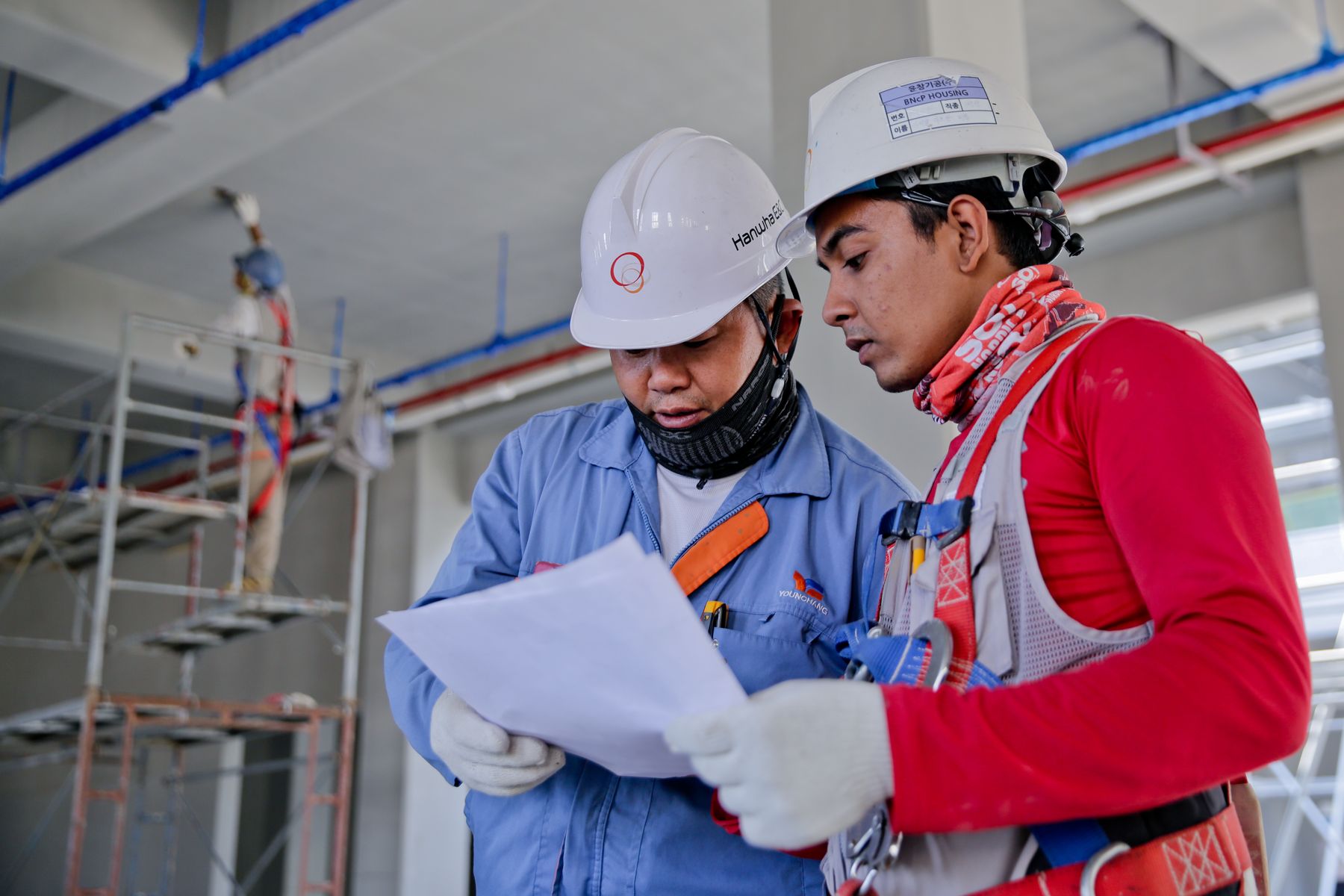
The logistics park sits on reclaimed coastal land, in the path of hurricane season. Before mobilization our team wrote a site storm plan that set triggers for securing cranes and materials, protecting the new utility network and keeping drainage open. The 1.2-million-square-foot design-build program carried that plan from first footing to turnover in 2024.
- 1.2M
- Square feet
- 72 hr
- Storm prep window
- 2024
- Turned over
Questions owners ask us.
How fast can you mobilize after an event?
It depends on the event and the location. Owners with a readiness agreement in place move to the front of our response plan, with crews and equipment staged as soon as it is safe.
Do you help with insurance and public funding documentation?
Yes. We track labor, equipment, materials and debris quantities daily in the format adjusters and public agencies expect.
Will you rebuild to the old design or improve it?
We rebuild to current codes and price resilience upgrades, such as raised equipment, stronger roof attachment or backup power, so you can decide what to add.
What does a readiness agreement cost?
Setting one up is a planning exercise. We agree the terms with you up front, and response work is billed at the pre-agreed rates only when it is needed.
Talk to the people who will build it.
Share the project, the site and the date that matters. A senior builder will come back to you within one business day.