
Storm season is coming, and our disaster response teams are ready. Equipment is staged, agreements are in place and crews are trained, so that when a hurricane, flood, tornado or wildfire hits a community we serve, recovery work can begin the day it is safe to start.
Readiness is built before the forecast
The first days after a disaster decide how fast a community gets back on its feet. Roads have to be cleared so emergency crews can move. Damaged buildings have to be dried in before rain finishes what the wind started. Hospitals, water plants and power facilities need temporary systems to keep running. None of that can wait for a bid process to start from zero.
So we do the work in advance. Our readiness plan covers:
- Pre-positioned equipment, including generators, pumps, dehumidification units, light towers and debris handling equipment, staged where it can reach affected areas quickly.
- Standing agreements with owners, public agencies and trade partners, with scopes, rates and contacts set before an event, not negotiated during one.
- Trained response crews drawn from our self-perform workforce, with refreshers in storm safety, damaged structure awareness and working around downed utilities.
- Stocked materials for emergency dry-in and stabilization, such as roofing membrane, sheathing, shoring and temporary fencing.
- Communication plans that keep crews, owners and local officials on the same information as conditions change.
What our teams do when the call comes
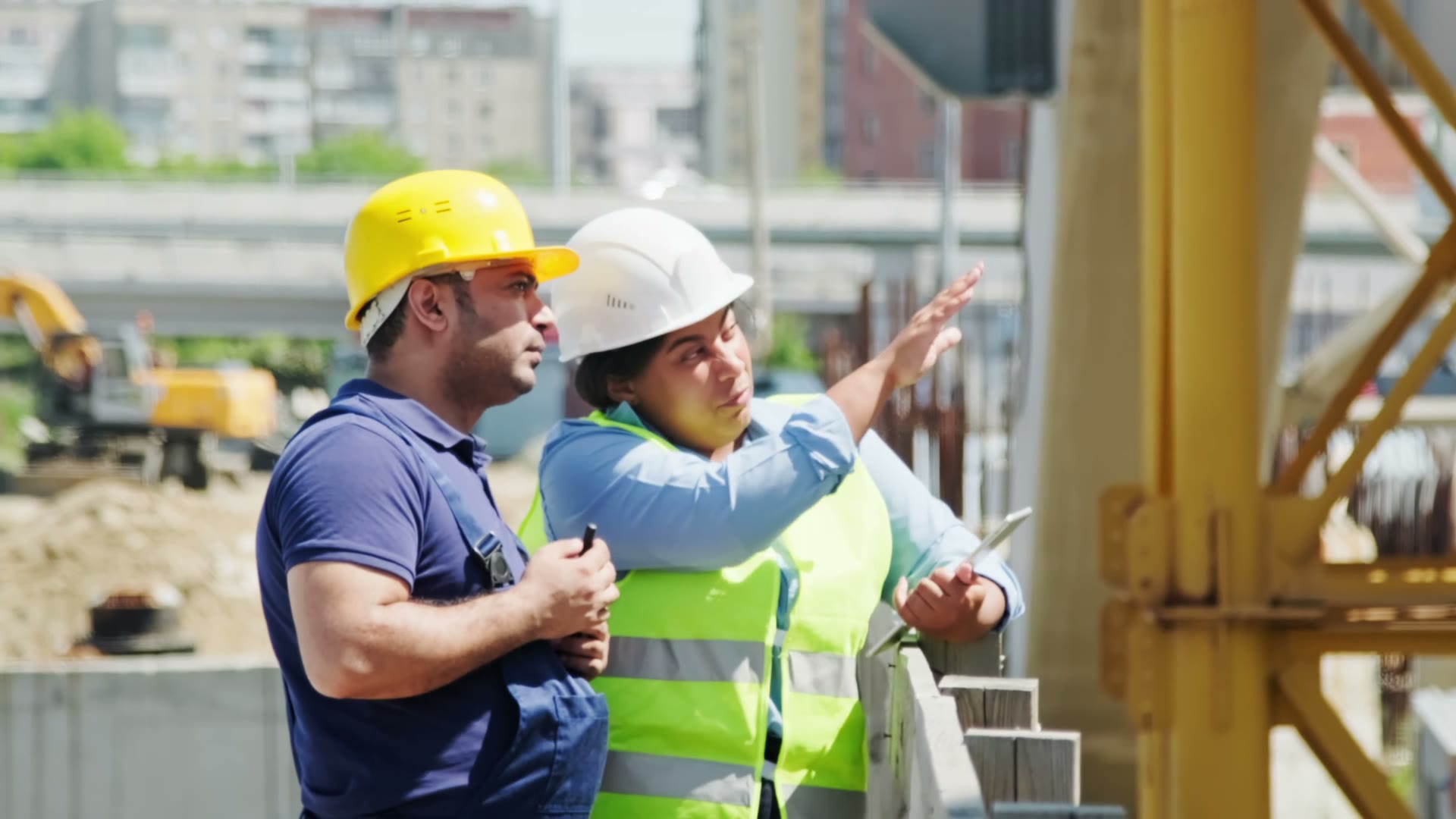
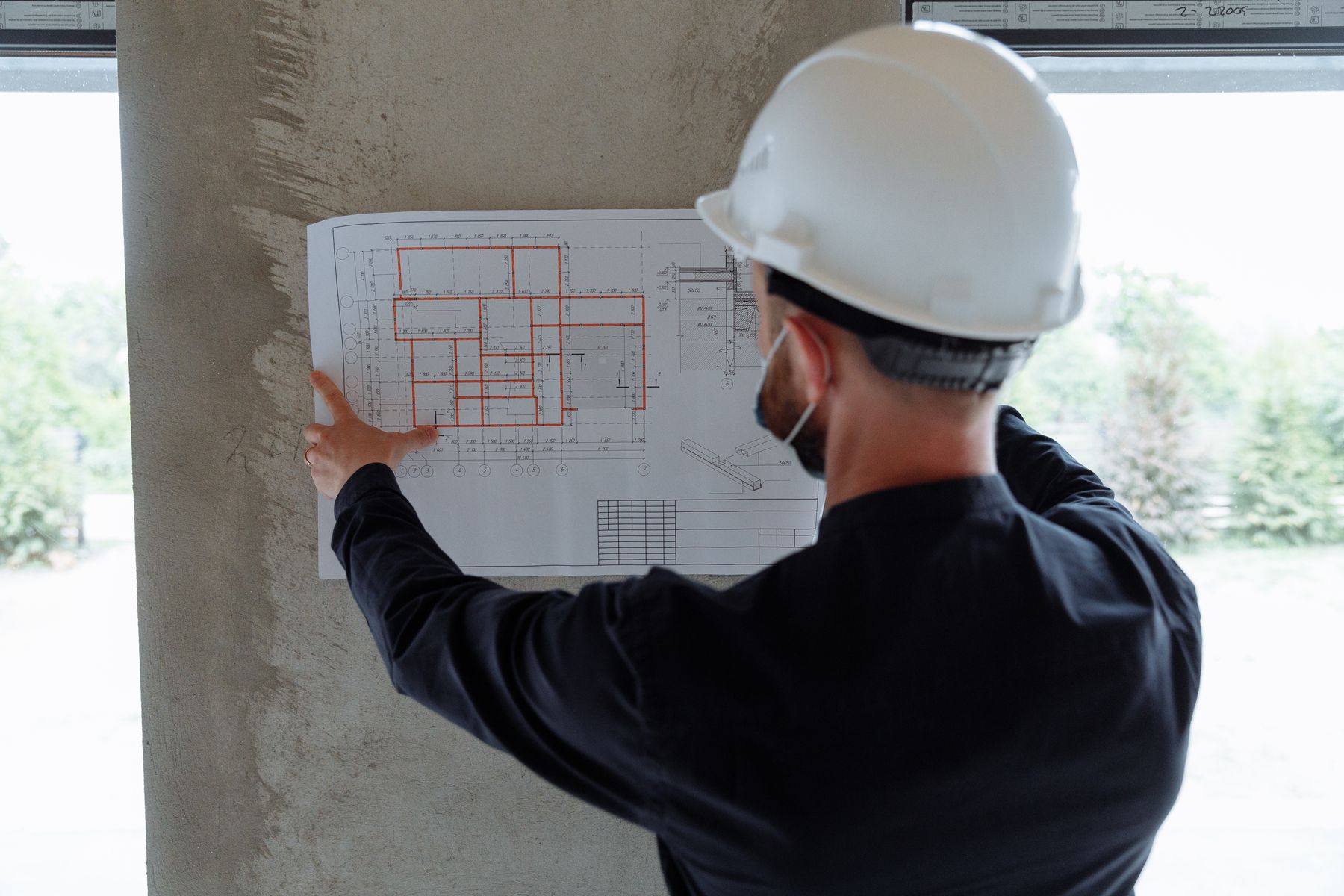
Every response starts with safety and an assessment. Our teams walk damaged facilities with the owner, document conditions with photos and drone survey, and identify hazards before anyone starts work. From there, priorities are set with the owner and local authorities.
Typical early work includes debris clearance, temporary power and pumping, emergency roofing and dry-in, structural shoring, and stabilizing critical systems at facilities that cannot shut down. As conditions settle, the same team moves into permanent repair and rebuilding, carrying what it learned in the first days into the scope and schedule for recovery.
The best time to plan a disaster response is a calm Tuesday in April. By the time the storm has a name, the plan should already be on the shelf.
Disaster response lead, MarkWester
Documented for recovery funding
Recovery work often depends on public assistance and insurance funding, and both require careful records. Our teams track labor, equipment and materials by location and by task from the first hour, with daily reports and photo logs that support the owner's claims and reimbursement process.
If your organization runs facilities that a community depends on, talk with us now about a readiness agreement. We would rather plan with you before the storm than meet you after it.